-
Children & Young People
-
Adults
-
- Understanding depression
- Is It Depression or Am I Just Feeling Low?
- High-Functioning Depression
- Depression and Motivation
- Depression and Self-Esteem
- Depression and Relationships
- Depression and Sleep
- Depression and Anxiety
- Depression and Loneliness
- Depression and Guilt
- Depression and Emotional Numbness
-
Digital Downloads
Understanding Autism in Children and Young People
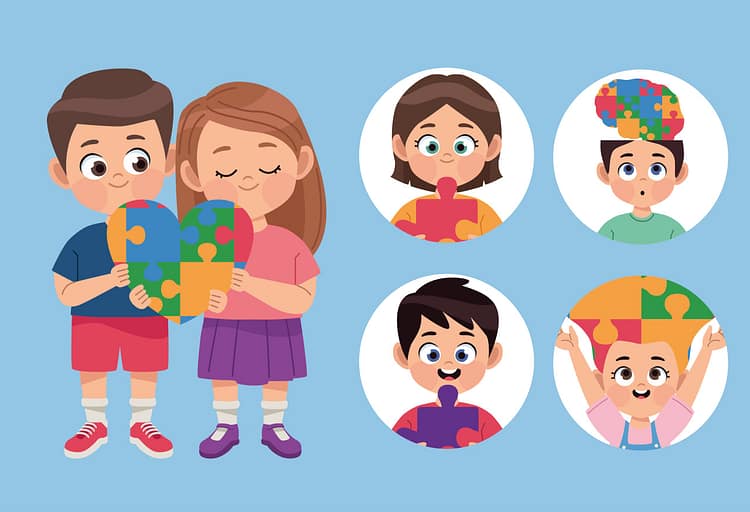
Autism in children and young people can look very different from one person to another. Some autistic children may appear quiet and withdrawn, whilst others may seem highly sociable, energetic, or expressive. Every child experiences the world differently, and there is no single way autism presents.
Many autistic children and young people experience the world more intensely. Everyday environments, sensory input, social expectations, uncertainty, and emotional demands can sometimes feel overwhelming or exhausting to manage.
Autism is not something that needs to be “fixed”. Often, support is most helpful when children and young people feel understood, accepted, and supported in ways that work for them as individuals.
What Can Autism Look Like in Children and Young People?
Autism can affect how children and young people experience communication, emotions, relationships, sensory input, routines, and the world around them.
Parents and carers may notice:
- sensory sensitivities
- emotional overwhelm
- difficulty with change or transitions
- intense interests or passions
- masking or hiding difficulties
- anxiety around school or friendships
- shutdowns or emotional outbursts
- social exhaustion
- needing predictability and routine
- difficulties expressing emotions verbally
Some autistic children may appear to cope well externally whilst struggling internally with anxiety or overwhelm.
Others may become emotionally exhausted from trying to manage environments that feel demanding, unpredictable, or overstimulating.
Autism, Anxiety, and Emotional Regulation
Many autistic children and young people experience anxiety, even when it is not always immediately visible to others.
Situations involving uncertainty, sensory overload, social pressure, transitions, or feeling misunderstood can increase emotional overwhelm and stress.
When children feel overwhelmed, this may appear as:
- meltdowns
- shutdowns
- withdrawal
- frustration
- panic
- emotional outbursts
- avoidance
- increased rigidity or distress
These responses are often signs that a child’s nervous system is overwhelmed rather than intentional “bad behaviour”.
Masking in Autistic Children and Young People
Some autistic children and young people learn to mask their difficulties in order to fit in socially or avoid standing out.
Masking may involve:
- copying others socially
- hiding overwhelm
- suppressing stimming
- forcing eye contact
- appearing “fine” in school
- holding emotions in until they get home
Whilst masking can help children cope socially in some situations, it can also become emotionally exhausting over time and may contribute to anxiety, burnout, low self-esteem, or emotional shutdowns.
You can read more about masking in autistic children and young people here.
Autism and School
School environments can feel particularly overwhelming for some autistic children and young people.
Noise, sensory input, social expectations, transitions, pressure, and unpredictability throughout the day can become emotionally exhausting.
Some children may manage well during school hours but release emotions once they return home to a place where they feel safer. Others may experience increasing anxiety around attendance, friendships, or emotional regulation within school settings.
Understanding what may be happening underneath behaviour is often more helpful than focusing purely on compliance or outward presentation.
Supporting Autistic Children and Young People
Support is often most effective when children and young people feel emotionally safe, understood, and accepted as individuals.
Helpful approaches may include:
- reducing unnecessary pressure
- supporting emotional regulation
- understanding sensory needs
- offering predictability and preparation
- allowing recovery time after overwhelm
- adapting communication styles
- recognising signs of masking and burnout
- building on strengths and interests
Every autistic child or young person is different, so support should remain flexible and individual rather than based on assumptions or stereotypes.
How Counselling Can Help
Therapy for autistic children and young people should feel flexible, supportive, and adapted to the individual child.
Some children may find direct questions overwhelming or struggle to express emotions verbally. Others may engage more comfortably through creativity, movement, humour, practical tools, games, or shared activities.
I work with children and young people at their pace, adapting sessions to what helps them feel comfortable enough to engage. Sessions may include emotional regulation support, creative approaches, gentle exploration, or simply building trust over time.
The focus is not on changing who a child is, but on helping them feel understood, supported, and better able to navigate emotional challenges in a way that feels manageable for them.
FAQ Section
Can autistic children struggle with anxiety?
Yes. Many autistic children and young people experience anxiety, particularly around uncertainty, sensory overwhelm, school pressures, social situations, or feeling misunderstood.
What is masking in autism?
Masking is when autistic children or young people hide or suppress difficulties in order to fit in socially or avoid standing out. This can become emotionally exhausting over time.
Can autism look different in girls and boys?
Yes. Autism can present differently depending on the individual. Some children may internalise difficulties more, whilst others may express overwhelm externally.
Can counselling help autistic children and young people?
Counselling can help autistic children and young people explore emotions, redu