-
Children & Young People
-
Adults
-
- Understanding depression
- Is It Depression or Am I Just Feeling Low?
- High-Functioning Depression
- Depression and Motivation
- Depression and Self-Esteem
- Depression and Relationships
- Depression and Sleep
- Depression and Anxiety
- Depression and Loneliness
- Depression and Guilt
- Depression and Emotional Numbness
-
Digital Downloads
High-Functioning Depression
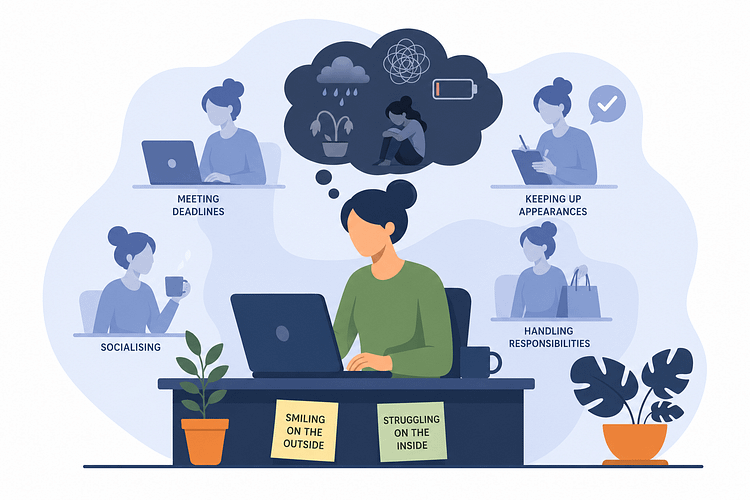
High-functioning depression is a term often used to describe people who continue managing work, family life, and everyday responsibilities whilst privately struggling with symptoms of depression. Although it is not a formal medical diagnosis, many people identify with the experience of appearing to cope on the outside whilst feeling emotionally exhausted underneath.
Hidden depression can be difficult for others to recognise because someone may continue smiling, working, socialising, and supporting those around them. Understanding high-functioning depression can help challenge the belief that depression always looks obvious or prevents someone from carrying on with daily life.
What Is High-Functioning Depression?
People experiencing high-functioning depression often continue meeting responsibilities despite feeling emotionally drained.
They may:
- go to work every day
- care for family members
- maintain friendships
- keep appointments
- appear calm and capable
- continue helping others
From the outside, they may seem to be coping well.
Internally, however, they may be struggling with persistent sadness, emotional numbness, self-criticism, or overwhelming exhaustion.
Signs of High-Functioning Depression
The signs of high-functioning depression are often hidden beneath everyday routines.
Some common experiences include:
- constantly feeling tired
- losing interest in activities
- feeling emotionally flat
- self-criticism
- difficulty relaxing
- feeling disconnected from others
- hiding difficult emotions
- finding little enjoyment in achievements
Many people continue functioning because they feel they have no other choice, not because they are coping well.
Smiling Depression
The phrase smiling depression is often used to describe people who hide their emotional struggles behind a smile or positive appearance.
Someone experiencing smiling depression may:
- joke with colleagues
- appear confident socially
- support friends and family
- minimise their own struggles
- avoid talking about difficult feelings
- tell others they are “fine”
This can make it difficult for others to recognise that they are struggling.
It can also leave the individual feeling isolated because people may not realise the support they need.
Why People Hide Depression
Hidden depression often develops for many different reasons.
Some people worry about:
- being judged
- appearing weak
- burdening others
- disappointing family
- losing their independence
- feeling misunderstood
Others have spent many years learning to put other people’s needs before their own.
Over time, this can make it difficult to recognise or express their own emotional needs.
The Emotional Impact
Functioning with depression can be exhausting.
Many people describe:
- feeling emotionally numb
- constantly wearing a mask
- feeling guilty for struggling
- believing they should be coping better
- feeling alone despite being surrounded by people
- becoming increasingly disconnected from themselves
Trying to maintain the appearance of coping can require a significant amount of emotional energy.
Why High-Functioning Depression Can Be Missed
Depression is often associated with someone being unable to get out of bed or carry out everyday tasks.
Whilst this can certainly be true for some people, depression exists on a spectrum.
Many individuals continue functioning because they feel they have responsibilities they cannot step away from.
This is one reason why high-functioning depression may go unnoticed by family, friends, colleagues, and sometimes even the person experiencing it.
Looking After Yourself
If you recognise yourself in these experiences, it can be helpful to approach yourself with compassion rather than self-criticism.
Some people find it helpful to:
- acknowledge difficult emotions
- reduce unrealistic expectations
- make time for rest
- reconnect with enjoyable activities
- speak openly with someone they trust
- recognise that asking for support is a strength
Recovery rarely begins with doing more. It often begins with recognising what you have been carrying on your own.
How Counselling Can Help
Counselling offers a confidential space where you do not have to pretend that everything is okay.
Many people experiencing high-functioning depression describe feeling relieved to speak openly without worrying about being judged or needing to appear strong.
Together, counselling can help you explore your experiences, understand emotional patterns, and reconnect with parts of yourself that may have been hidden beneath responsibility, pressure, or self-criticism.
The goal is not simply to keep functioning, but to support emotional wellbeing in a way that feels authentic, compassionate, and sustainable.
FAQ Section
What is high-functioning depression?
High-functioning depression describes people who continue managing everyday responsibilities whilst privately experiencing symptoms of depression. Although it is not a formal diagnosis, many people relate to this experience.
What is smiling depression?
Smiling depression refers to hiding symptoms of depression behind a positive or capable appearance, making emotional struggles less visible to others.
Can someone have depression and still go to work?
Yes. Many people continue working, caring for others, and managing responsibilities whilst experiencing depression.
Why do people hide depression?
People may hide depression because they fear judgement, do not want to burden others, or believe they should cope on their own.
Can counselling help with high-functioning depression?
Counselling can provide a safe space to explore difficult emotions, reduce self-criticism, and better understand the experiences that may be contributing to depression.
Further Reading
For further information about depression and emotional wellbeing, the Mental Health Foundation provides helpful information and resources.
Looking for Support?
If this resonates, or you are looking for support for your child, young person, or yourself, feel free to get in touch.