-
Children & Young People
-
Adults
-
- Understanding depression
- Is It Depression or Am I Just Feeling Low?
- High-Functioning Depression
- Depression and Motivation
- Depression and Self-Esteem
- Depression and Relationships
- Depression and Sleep
- Depression and Anxiety
- Depression and Loneliness
- Depression and Guilt
- Depression and Emotional Numbness
-
Digital Downloads
Is It Depression or Am I Just Feeling Low?
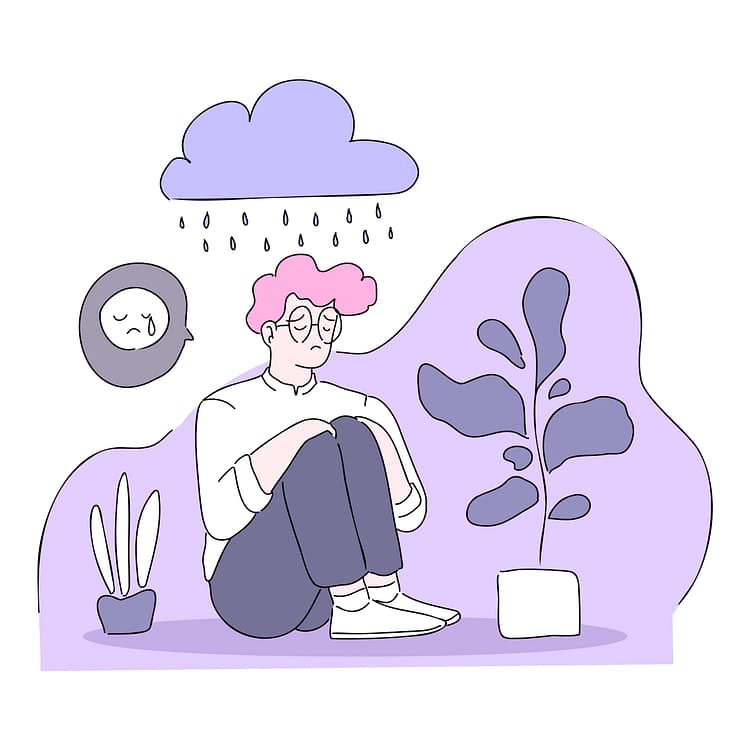
Many people wonder whether they are experiencing depression or simply feeling low. Everyone has days where they feel sad, unmotivated, or emotionally drained, particularly after disappointment, stress, or difficult life events. However, understanding the difference between feeling low and depression can help you recognise when additional support may be beneficial.
Feeling low vs depression is not always easy to distinguish. The difference is not about how “strong” someone is or how much they are coping. Instead, it is often about how long the feelings last, how much they affect daily life, and whether they begin to interfere with everyday functioning.
What Does Feeling Low Mean?
Feeling low is a normal part of being human.
Many people experience periods of low mood following:
- stressful situations
- relationship difficulties
- bereavement
- work pressures
- illness
- disappointment
- significant life changes
Feeling low can be uncomfortable, but it often improves with time, rest, support, or as circumstances change.
Most people are still able to experience moments of enjoyment or hope, even during difficult periods.
What Is Depression?
Understanding depression means recognising that it is more than a temporary low mood.
Depression affects thoughts, emotions, physical wellbeing, and daily functioning. It often lasts for weeks or months rather than days and can make even simple tasks feel exhausting.
People experiencing depression may find that activities they once enjoyed no longer bring pleasure, and they may struggle to imagine that things will improve.
Depression affects everyone differently, but it is more than simply having a bad day.
Feeling Low vs Depression
Feeling low vs depression is often about persistence and impact rather than intensity alone.
When someone is feeling low, they may still be able to:
- enjoy spending time with others
- look forward to future events
- feel better after rest
- experience positive moments during the day
With depression, people may notice:
- persistent low mood
- loss of interest in activities
- ongoing tiredness
- difficulty concentrating
- feelings of hopelessness
- changes in sleep
- changes in appetite
- reduced motivation
The symptoms of depression often remain even when circumstances improve.
When Feeling Low Becomes Depression
When feeling low becomes depression, everyday life often begins to feel much more difficult.
Some signs of depression include:
- low mood lasting several weeks
- withdrawing from friends and family
- struggling with everyday tasks
- losing interest in hobbies
- feeling worthless or guilty
- ongoing fatigue
- difficulty making decisions
- feeling emotionally numb
These experiences can gradually begin to affect work, relationships, confidence, and overall wellbeing.
Why It Can Be Difficult to Tell the Difference
Many people continue managing work, family life, or responsibilities whilst struggling internally.
Others believe they should simply “get on with it” or compare themselves to people who appear to be coping with more difficult situations.
Because depression develops differently for everyone, people sometimes minimise their own experiences or delay seeking support.
There is no threshold that someone has to reach before they deserve help.
Looking After Yourself
Whether you are experiencing low mood or depression, it can help to approach yourself with kindness rather than criticism.
Some people find it helpful to:
- maintain gentle routines
- spend time outdoors
- stay connected with supportive people
- break larger tasks into smaller steps
- celebrate small achievements
- reduce self-criticism
- allow time for rest
Whilst these strategies may not remove depression, they can help support emotional wellbeing during difficult periods.
How Counselling Can Help
Counselling provides a safe and supportive space to explore your thoughts, feelings, and experiences without judgement.
Sometimes people seek counselling because they know they are experiencing depression. Others simply recognise that they no longer feel like themselves and want to understand why.
Counselling is not about labelling your experiences. Instead, it provides an opportunity to explore what may be contributing to your low mood, understand emotional patterns, and develop ways of moving forward that feel manageable and realistic.
Whether you are experiencing temporary low mood or longer-term depression, you do not have to navigate those experiences alone.
FAQ Section
How do I know if I’m feeling low or depressed?
Feeling low is usually temporary and linked to a specific situation, whereas depression often lasts longer and has a greater impact on daily life, motivation, and emotional wellbeing.
What are the signs of depression?
Signs of depression may include persistent low mood, loss of interest in activities, fatigue, changes in sleep or appetite, difficulty concentrating, and feelings of hopelessness or worthlessness.
When does feeling low become depression?
When feeling low becomes depression, symptoms often persist for several weeks or longer and begin affecting work, relationships, confidence, or everyday functioning.
Can depression improve on its own?
Some people notice improvements over time, whilst others benefit from additional support. Every person’s experience is different.
Can counselling help if I’m not sure whether I have depression?
Yes. Counselling can provide a supportive space to explore your experiences, understand your emotions, and decide what support feels right for you.
Further Reading
For further information about low mood and depression, Every Mind Matters provides practical advice and guidance.
Looking for Support?
If this resonates, or you are looking for support for your child, young person, or yourself, feel free to get in touch.