-
Children & Young People
-
Adults
-
- Understanding depression
- Is It Depression or Am I Just Feeling Low?
- High-Functioning Depression
- Depression and Motivation
- Depression and Self-Esteem
- Depression and Relationships
- Depression and Sleep
- Depression and Anxiety
- Depression and Loneliness
- Depression and Guilt
- Depression and Emotional Numbness
-
Digital Downloads
What Is Masking in Autistic Children and Young People?
What Can Autism Look Like in Girls and Female-Born Young People?
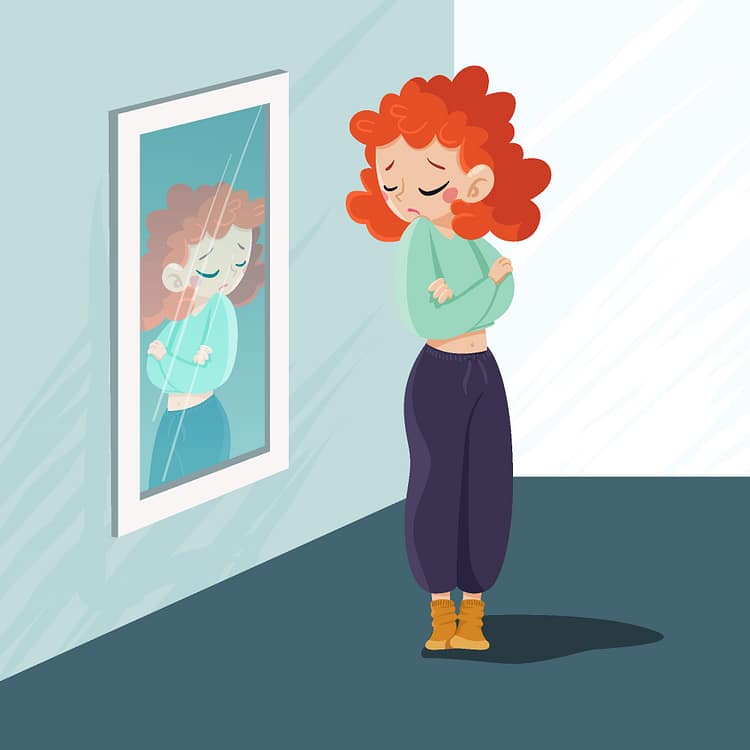
Masking in autistic children and young people happens when a child hides, suppresses, or adapts parts of themselves in order to fit in socially, avoid standing out, or cope within environments that feel overwhelming. Autism and masking can often go unnoticed because many autistic children appear to cope outwardly whilst struggling internally.
Some autistic children and young people learn from an early age to observe others closely and copy behaviours that help them feel accepted socially. Whilst this may help them navigate certain situations, autistic masking can become emotionally exhausting over time.
Many children do not consciously realise they are masking. Instead, it may develop gradually as a response to feeling different, misunderstood, anxious, or under pressure socially.
What Can Masking Look Like?
Masking in autism can look different from one child or young person to another.
Some autistic children and young people may:
- copy social behaviours from peers
- rehearse conversations beforehand
- force eye contact
- hide confusion or overwhelm
- suppress stimming behaviours
- stay quiet to avoid attention
- mirror personalities around them
- appear “fine” in school but emotionally collapse at home
- hide sensory discomfort
- avoid expressing emotions openly
Some children become highly skilled at masking, which can make struggles less visible to adults around them.
Autistic children hiding emotions or overwhelm are not necessarily coping internally, even if they appear calm externally.
Why Do Autistic Children Mask?
Many autistic children and young people mask because they want to:
- fit in socially
- avoid being judged
- reduce attention on themselves
- avoid bullying or rejection
- feel accepted by peers
- manage social expectations
Some children may have experienced criticism, misunderstanding, or pressure to behave in ways that do not feel natural or comfortable for them.
Over time, masking can become a way of trying to stay emotionally safe within environments that feel demanding or overwhelming.
Autism, Masking, and Anxiety
Autism and masking are often closely connected to anxiety.
Many autistic children and young people spend large amounts of emotional energy trying to monitor social situations, manage expectations, and avoid appearing different.
This constant effort can become exhausting and may contribute to:
- anxiety
- emotional overwhelm
- shutdowns
- meltdowns
- low self-esteem
- social exhaustion
- autistic burnout
- emotional withdrawal
Some children may cope throughout the school day but release emotions once they return home to a place where they feel safer.

What Is Autistic Burnout?
Autistic burnout is a state of emotional, mental, and physical exhaustion that can happen when autistic children and young people spend prolonged periods masking, coping with overwhelm, or managing environments that feel highly demanding.
Autistic burnout may involve:
- increased exhaustion
- emotional shutdown
- withdrawal
- increased anxiety
- reduced tolerance for demands
- sensory overwhelm
- loss of skills or coping ability
- struggling more with emotional regulation
Burnout is not laziness or defiance. It is often a sign that a child or young person has been overwhelmed for a long period of time.
Supporting Children and Young People Who Mask
Support is often most helpful when autistic children and young people feel emotionally safe enough to reduce the pressure of constantly “performing” socially.
Helpful approaches may include:
- recognising signs of masking
- reducing unnecessary social pressure
- validating emotional experiences
- supporting sensory needs
- allowing recovery time after school or social situations
- helping children feel accepted as they are
- reducing shame around differences
- supporting emotional regulation
Understanding what may be happening underneath behaviour is often more helpful than focusing only on outward presentation.
How Counselling Can Help
Counselling can help autistic children and young people better understand their emotions, reduce anxiety, and feel supported without pressure to hide parts of themselves.
Some children may struggle to explain how they feel verbally, particularly if they are used to masking or hiding overwhelm from others. Sessions may instead involve creativity, shared activities, gentle exploration, practical tools, or simply building trust gradually over time.
I work with children and young people at their pace, adapting sessions to what helps them feel comfortable enough to engage.
The focus is not on changing who a child is, but on helping them feel understood, emotionally safe, and supported in a way that feels manageable for them.
FAQ Section
What is autistic masking?
Autistic masking is when autistic children and young people hide, suppress, or adapt behaviours in order to fit in socially or avoid standing out.
Why do autistic children mask?
Children may mask to avoid rejection, bullying, judgement, or attention. Some also mask because they feel pressure to behave in socially expected ways.
Can masking lead to autistic burnout?
Yes. Long periods of masking and emotional overwhelm can contribute to autistic burnout, exhaustion, anxiety, and emotional shutdowns.
Can counselling help autistic children who mask?
Counselling can support autistic children and young people with anxiety, emotional regulation, self-understanding, overwhelm, and feeling accepted without pressure to hide who they are.