-
Children & Young People
-
Adults
-
- Understanding depression
- Is It Depression or Am I Just Feeling Low?
- High-Functioning Depression
- Depression and Motivation
- Depression and Self-Esteem
- Depression and Relationships
- Depression and Sleep
- Depression and Anxiety
- Depression and Loneliness
- Depression and Guilt
- Depression and Emotional Numbness
-
Digital Downloads
Emotional Regulation and Autism
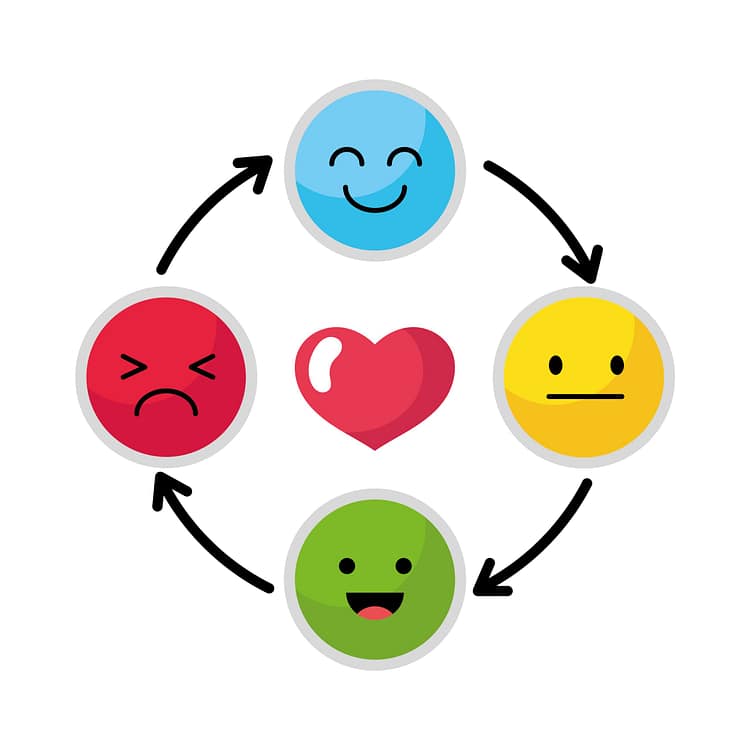
Emotional regulation and autism are often closely connected, particularly when autistic children and young people are managing anxiety, sensory overwhelm, uncertainty, masking, or emotional exhaustion. Emotional dysregulation autism experiences are often linked to a nervous system becoming overwhelmed, whilst emotional regulation difficulties in autism can make it harder for children to process stress, emotions, and sensory input safely.
Autistic emotional regulation difficulties are not usually about a child being deliberately “difficult” or manipulative. Often, they reflect a nervous system becoming overwhelmed by stress, pressure, emotions, sensory input, or demands that feel too much to manage in that moment.
Some autistic children and young people may appear calm externally for long periods before becoming emotionally overwhelmed suddenly once they no longer feel able to cope.
What Is Emotional Regulation?
Emotional regulation is the ability to recognise, process, and manage emotions in ways that feel safe and manageable.
For autistic children and young people, emotional regulation can sometimes feel more difficult because the nervous system may process emotions, sensory input, and stress more intensely.
This can make it harder to:
- manage frustration
- cope with uncertainty
- transition between activities
- communicate distress
- recover from overwhelm
- regulate emotions once overloaded
- tolerate sensory input or pressure
Emotional regulation difficulties in autism are often linked to overwhelm rather than intentional behaviour.
What Can Emotional Overwhelm Look Like?
Autism and emotional overwhelm can present differently from one child or young person to another.
Parents and carers may notice:
- emotional outbursts
- shutdowns
- withdrawal
- panic
- crying or distress
- frustration around small changes
- increased rigidity
- difficulty calming once upset
- sensory overwhelm
- explosive reactions after school
- emotional exhaustion
Some autistic children may hold emotions in throughout the day before releasing them at home where they feel safer.
Others may become increasingly overwhelmed when routines change, expectations increase, or environments feel unpredictable.
Autistic Meltdowns and Shutdowns
Autistic meltdowns are often misunderstood.
A meltdown is not usually a tantrum or an attempt to manipulate others. Instead, it is often a sign that a child or young person’s nervous system has become overwhelmed.
Meltdowns may involve:
- crying
- shouting
- panic
- emotional distress
- aggression towards objects
- needing to escape overwhelming situations
Shutdowns may look different and can include:
- going quiet
- withdrawing
- appearing emotionally numb
- struggling to communicate
- freezing or shutting down emotionally
Both meltdowns and shutdowns are often signs of overwhelm rather than deliberate behaviour.
Autism, Anxiety, and Emotional Dysregulation
Emotional regulation difficulties in autism can become more noticeable during periods of stress, burnout, change, or increased anxiety.
Many autistic children and young people spend large amounts of energy trying to:
- manage sensory input
- navigate social expectations
- cope with uncertainty
- mask distress
- avoid getting things wrong
- meet external expectations
Over time, this can place the nervous system under significant stress and make emotional regulation harder.
Some children may become emotionally overwhelmed more quickly when they are exhausted, anxious, burnt out, or feeling unsafe.
Supporting Emotional Regulation in Autistic Children
Support is often most effective when adults focus on understanding what may be happening underneath behaviour rather than only responding to the behaviour itself.
Helpful approaches may include:
- reducing unnecessary pressure
- supporting sensory needs
- offering predictability and preparation
- validating emotions
- allowing recovery time after overwhelm
- recognising early signs of stress
- supporting co-regulation
- adapting communication styles
- reducing shame around emotional responses
Emotional regulation skills often develop more effectively when children feel emotionally safe, understood, and supported.
How Counselling Can Help
Counselling can help autistic children and young people better understand emotions, reduce anxiety, and develop emotional regulation skills within a supportive and flexible environment.
Some children may struggle to explain emotions verbally, particularly when overwhelmed. Sessions may instead involve creativity, practical tools, movement, emotional regulation activities, shared exploration, or simply building trust gradually over time.
I work with children and young people at their pace, adapting sessions to what helps them feel comfortable enough to engage.
The focus is not on stopping emotions, but on helping children and young people feel safer, more understood, and better able to manage overwhelm in ways that feel manageable for them.
FAQ Section
Why do autistic children struggle with emotional regulation?
Autistic children and young people may experience emotions, sensory input, anxiety, and stress more intensely, which can make emotional regulation harder during overwhelming situations.
What is the difference between a meltdown and a tantrum?
Autistic meltdowns are usually signs of emotional or sensory overwhelm rather than deliberate attempts to gain control or attention.
What is an autistic shutdown?
An autistic shutdown may involve withdrawing, going quiet, struggling to communicate, or emotionally freezing when the nervous system becomes overwhelmed.
Can counselling help autistic children with emotional regulation?
Counselling can support autistic children and young people with emotional regulation, anxiety, overwhelm, self-understanding, and feeling emotionally supported within a safe environment.