-
Children & Young People
-
Adults
-
- Understanding depression
- Is It Depression or Am I Just Feeling Low?
- High-Functioning Depression
- Depression and Motivation
- Depression and Self-Esteem
- Depression and Relationships
- Depression and Sleep
- Depression and Anxiety
- Depression and Loneliness
- Depression and Guilt
- Depression and Emotional Numbness
-
Digital Downloads
Understanding Anxiety
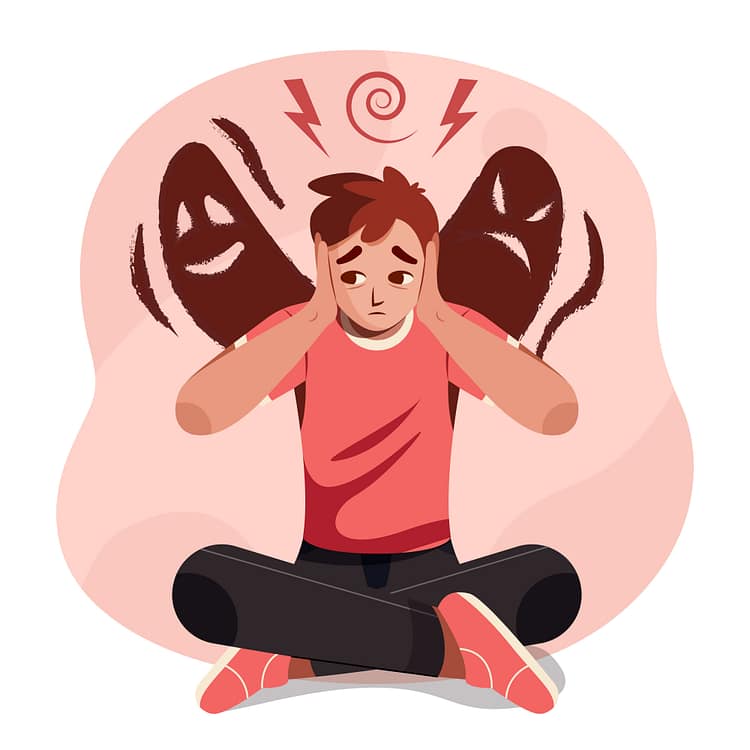
Anxiety is a normal human response to stress, uncertainty, and perceived threat. Most people experience anxiety from time to time, particularly during challenging periods of life. However, when anxiety becomes persistent or overwhelming, it can begin to affect daily life, relationships, sleep, confidence, and overall wellbeing.
Many people describe anxiety as feeling constantly on edge, unable to relax, or trapped in a cycle of worry and overthinking. Whilst anxiety can be uncomfortable, understanding what it is and how it affects us can often be the first step towards managing it more effectively.
What Is Anxiety?
Anxiety is part of the body’s natural survival system.
When the brain perceives danger, it activates the fight, flight, or freeze response. This response prepares the body to react quickly and stay safe.
In genuinely threatening situations, this can be helpful. However, anxiety can sometimes become activated in response to situations that are stressful, uncertain, or emotionally challenging rather than physically dangerous.
As a result, people may find themselves feeling anxious even when there is no immediate threat present.
Emotional Symptoms of Anxiety
Anxiety affects people in different ways, but there are some common emotional experiences.
These may include:
- excessive worry
- overthinking
- difficulty concentrating
- feeling overwhelmed
- irritability
- constantly expecting the worst
- fear of making mistakes
- difficulty relaxing
Some people experience these feelings occasionally, whilst others find they become a regular part of everyday life.
Physical Symptoms of Anxiety
Anxiety affects the body as well as the mind.
Physical symptoms may include:
- a racing heart
- muscle tension
- headaches
- dizziness
- stomach discomfort
- sweating
- restlessness
- fatigue
- difficulty sleeping
For some people, physical symptoms can feel particularly frightening. They may worry that something is seriously wrong or struggle to understand why their body feels the way it does.
Understanding that anxiety can create genuine physical symptoms often helps people make sense of their experiences.
Anxiety and Overthinking
One of the most common features of anxiety is overthinking.
People may find themselves:
- replaying conversations
- worrying about future events
- analysing decisions repeatedly
- imagining worst-case scenarios
- seeking reassurance from others
Although these behaviours often develop as an attempt to feel safer or more prepared, they can unintentionally maintain anxiety.
The more attention we give anxious thoughts, the more important and urgent they can begin to feel.
Anxiety and Avoidance
Anxiety often encourages people to avoid situations that feel uncomfortable.
This might include:
- avoiding social situations
- delaying important tasks
- putting off difficult conversations
- avoiding phone calls
- staying within familiar routines
Whilst avoidance may provide short-term relief, it often reinforces anxiety over time.
This can gradually reduce confidence and make situations feel even more difficult in the future.
How Anxiety Can Affect Daily Life
Living with anxiety can be exhausting.
People often describe feeling mentally drained from constant worry and physical tension.
Anxiety may affect:
- relationships
- work performance
- confidence
- sleep
- social activities
- decision-making
- emotional wellbeing
Over time, anxiety can begin to have a significant impact on quality of life.
Anxiety Support in Herefordshire
Many people struggle with anxiety for months or even years before seeking support.
Sometimes people believe they should simply cope with it on their own. Others worry that their difficulties are not serious enough to seek help.
The reality is that anxiety can affect anyone, and support can be beneficial at any stage.
If anxiety is affecting your daily life, relationships, confidence, or wellbeing, talking to a professional can provide an opportunity to better understand what is happening and develop healthier ways of responding.
How Counselling Can Help
Counselling provides a safe and confidential space to explore the thoughts, feelings, and experiences that may be contributing to anxiety.
Sometimes anxiety develops following a specific event. At other times it builds gradually through ongoing stress, uncertainty, pressure, or difficult life experiences.
Counselling can help you identify patterns that may be maintaining anxiety and develop a greater understanding of your emotional responses.
I provide anxiety counselling in Ross-on-Wye for adults experiencing anxiety, overwhelm, and persistent worry. Sessions are available face-to-face in Ross-on-Wye and online for clients across Herefordshire and the wider UK.
I work with adults at their pace, recognising that every person’s experience of anxiety is unique. Together we can explore what may be happening underneath the anxiety and identify ways of moving forward that feel realistic and manageable.
The aim is not to eliminate anxiety completely, but to help it feel less overwhelming and less controlling.
FAQ Section
What does anxiety feel like?
Anxiety can cause emotional symptoms such as worry, overwhelm, and overthinking, as well as physical symptoms including tension, dizziness, fatigue, and a racing heart.
Can anxiety cause physical symptoms?
Yes. Anxiety commonly affects the body and may cause symptoms such as headaches, stomach discomfort, muscle tension, dizziness, and difficulty sleeping.
Can counselling help with anxiety?
Yes. Counselling can help you better understand anxiety, identify contributing factors, and develop healthier ways of responding to anxious thoughts and feelings.
Do I need a diagnosis to have counselling for anxiety?
No. Many people seek counselling because they are experiencing anxiety symptoms without having a formal diagnosis.
Do you offer anxiety counselling in Ross-on-Wye?
Yes. I offer face-to-face counselling in Ross-on-Wye as well as online sessions for clients across Herefordshire and the wider UK.
Further Reading
For information about anxiety symptoms and support, the NHS provides guidance and practical resources.
Looking for Support?
If this resonates, or you are looking for support for your child, young person, or yourself, feel free to get in touch.