-
Children & Young People
-
Adults
-
- Understanding depression
- Is It Depression or Am I Just Feeling Low?
- High-Functioning Depression
- Depression and Motivation
- Depression and Self-Esteem
- Depression and Relationships
- Depression and Sleep
- Depression and Anxiety
- Depression and Loneliness
- Depression and Guilt
- Depression and Emotional Numbness
-
Digital Downloads
Autism and School Anxiety
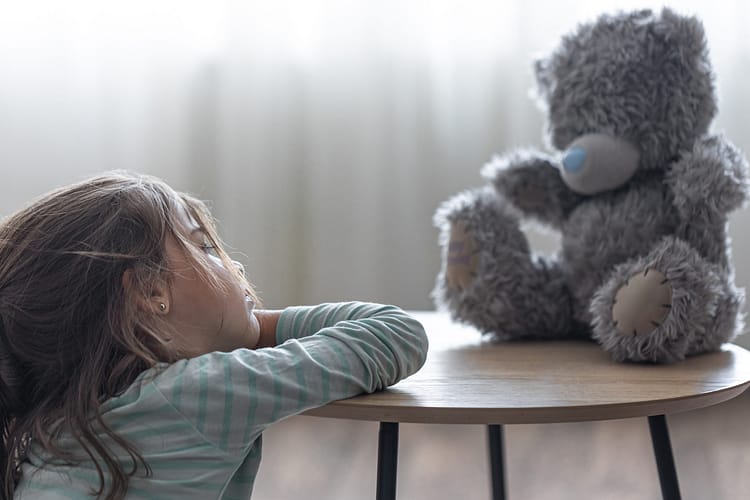
Autism and school anxiety can become deeply overwhelming for some autistic children and young people. Whilst some children may appear to cope outwardly during the school day, many are managing high levels of stress internally linked to sensory overwhelm, social pressure, uncertainty, masking, or emotional exhaustion.
School anxiety in autistic children is not simply about refusing school or avoiding learning. Often, it reflects a child or young person feeling emotionally overwhelmed, unsafe, exhausted, or unable to cope within an environment that feels highly demanding.
For some autistic children and young people, even everyday parts of school life can require significant emotional energy to manage.
What Can School Anxiety Look Like in Autistic Children?
Autistic children and young people may experience school anxiety in very different ways.
Parents and carers may notice:
- emotional outbursts before school
- increased anxiety on Sunday evenings
- shutdowns after school
- headaches or stomach aches
- difficulty sleeping
- exhaustion after masking all day
- panic around transitions or uncertainty
- sensory overwhelm
- increased rigidity or distress
- withdrawal or emotional shutdown
- difficulty attending school
Some children may appear calm or compliant within school but release emotions once they return home to a place where they feel safer.
Others may gradually become unable to attend school consistently due to increasing overwhelm or emotional exhaustion.
Autism, EBSA, and Emotional Overwhelm
Autism and EBSA, often referred to as emotionally based school avoidance, are commonly linked to anxiety and overwhelm rather than defiance or oppositional behaviour.
Many autistic children and young people experience ongoing stress from:
- sensory input
- social demands
- unpredictability
- pressure to mask
- noise and busy environments
- transitions throughout the day
- fear of getting things wrong
- feeling misunderstood
When overwhelm builds over time, some children may enter states of shutdown, panic, burnout, or emotional distress.
Understanding what may be happening underneath the behaviour is often more helpful than focusing only on attendance or compliance.
Masking and School
Many autistic children and young people mask heavily within school environments.
Masking may involve:
- copying peers socially
- hiding confusion or overwhelm
- suppressing stimming
- forcing eye contact
- trying to appear calm
- avoiding asking for help
- pushing through exhaustion
Whilst masking can help children navigate school socially, it often comes at a significant emotional cost.
Some autistic children become so focused on coping throughout the school day that they have little emotional energy remaining afterwards.
Autistic Burnout and School
Autistic burnout and school pressures can become closely connected when children spend prolonged periods coping within overwhelming environments.
Burnout may include:
- extreme exhaustion
- emotional shutdown
- increased anxiety
- reduced tolerance for demands
- sensory overwhelm
- school refusal
- emotional outbursts
- withdrawal from activities
- struggling with emotional regulation
Autistic burnout is not laziness or a lack of effort. Often, it reflects a child or young person feeling emotionally overwhelmed for a prolonged period of time.
Supporting Autistic Children with School Anxiety
Support is often most effective when children and young people feel emotionally understood and supported rather than pressured.
Helpful approaches may include:
- reducing unnecessary pressure
- recognising signs of overwhelm early
- supporting sensory needs
- allowing recovery time after school
- understanding masking and burnout
- adapting expectations where possible
- working collaboratively with school
- supporting emotional regulation
- validating anxiety rather than dismissing it
Every autistic child or young person is different, so support should remain flexible and individual.
How Counselling Can Help
Counselling can help autistic children and young people explore anxiety, emotional overwhelm, school pressures, and emotional regulation difficulties within a supportive and flexible environment.
Some children may struggle to talk directly about school anxiety, particularly if they feel exhausted, misunderstood, or overwhelmed. Sessions may instead involve creativity, practical tools, shared activities, emotional regulation support, or simply building trust gradually over time.
I work with children and young people at their pace, adapting sessions to what helps them feel comfortable enough to engage.
The focus is not simply on getting children back into school, but on understanding what may be happening underneath the anxiety and helping them feel emotionally safer and more supported.
FAQ Section
Why do autistic children struggle with school anxiety?
Autistic children and young people may struggle with school anxiety due to sensory overwhelm, masking, social pressure, uncertainty, transitions, or emotional exhaustion.
What is autism and EBSA?
Autism and EBSA refers to emotionally based school avoidance linked to anxiety, overwhelm, and emotional distress rather than deliberate defiance.
Can masking make school harder for autistic children?
Yes. Many autistic children mask heavily during the school day, which can become emotionally exhausting and contribute to burnout and anxiety.
Can counselling help with autism and school anxiety?
Counselling can help autistic children and young people explore anxiety, emotional regulation, overwhelm, burnout, and school-related stress within a supportive environment.