Is your child struggling with anxiety? How parents can help, and when therapy may support
Published by Roz on
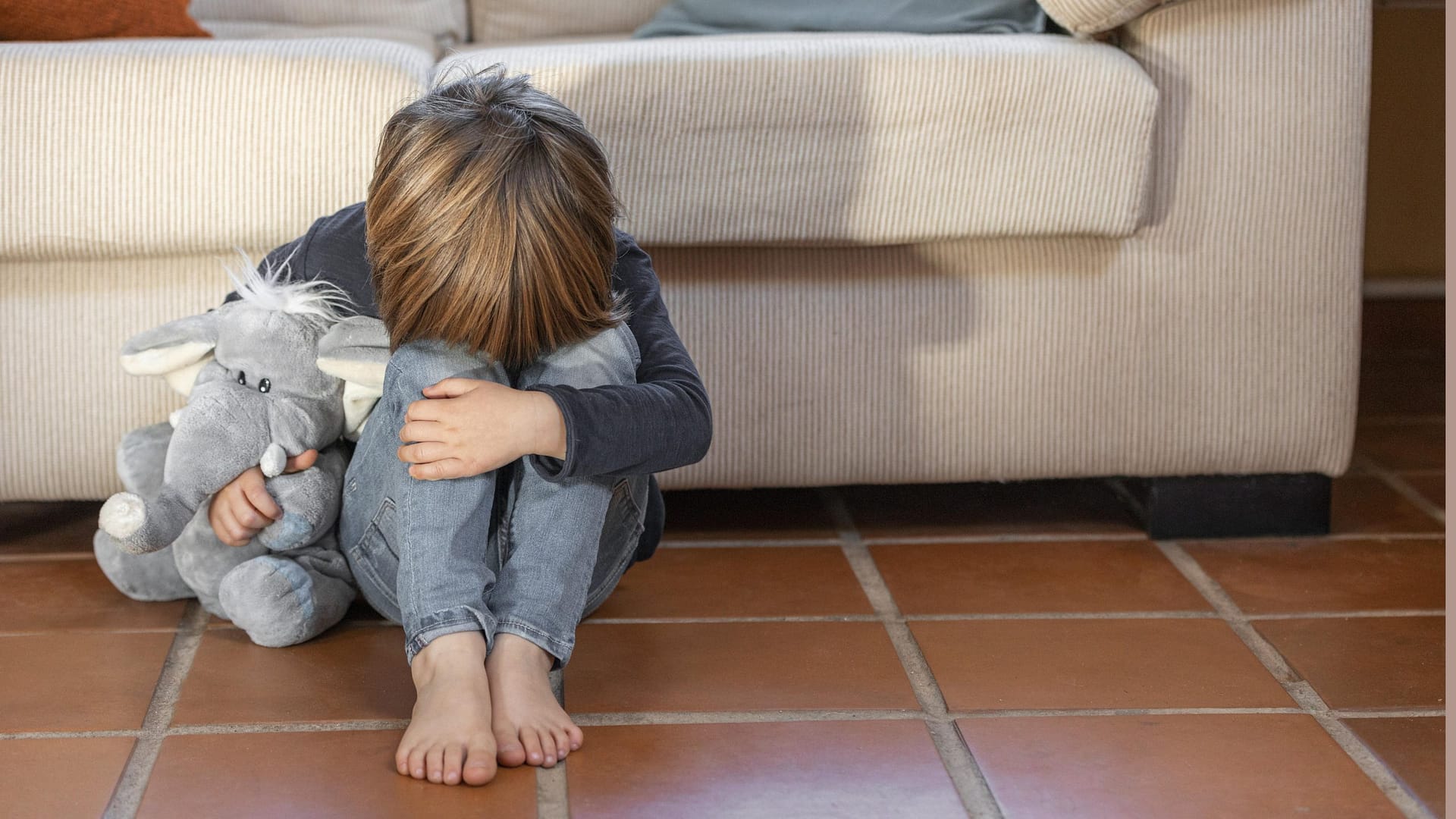
Is your child struggling with anxiety? How parents can help, and when therapy may support

When a child is struggling with anxiety, it can feel heartbreaking to watch. You may notice them worrying more than usual, avoiding certain situations, struggling with school, finding it hard to separate from you, or becoming overwhelmed by things that once seemed manageable. For some children, anxiety can look obvious. For others, it can show up more quietly through irritability, emotional outbursts, tummy aches, trouble sleeping, or a growing need for reassurance.
If your child is struggling with anxiety, you are not alone, and neither are they.
What anxiety can look like in children
Child anxiety doesn’t always look like fear in the way adults might expect.
Sometimes it can look like:
- school worries or school refusal
- difficulty sleeping
- emotional overwhelm
- anger or frustration
- perfectionism
- social worries
- physical complaints like headaches or stomach aches
Children often don’t have the words to explain what they’re feeling, which can make anxiety feel confusing for both the child and the adults supporting them. For some neurodivergent children, including those with ADHD, autism, or other sensory and emotional differences, anxiety can also show up in ways that may be misunderstood or missed.
How parents can help a child struggling with anxiety
When your child is anxious, your instinct may be to fix it quickly or remove whatever is causing distress. That’s completely understandable. But often, the most powerful support starts with helping your child feel safe, understood, and not alone in what they’re experiencing. This can include:
Staying calm, even when things feel big
Children often take cues from the adults around them. A calm, reassuring presence can help them feel safer, even if they’re struggling.
Listening without rushing to solve
Sometimes children need space to express worries before they’re ready for solutions.
Helping them name feelings
Using simple language, creative tools, or visual aids can help children begin to understand what anxiety feels like.
Keeping routines predictable where possible
Anxiety can often feel bigger when life feels uncertain.
There are also helpful parent resources, such as YoungMinds’ guidance on supporting a child with anxiety, which many families find reassuring alongside therapeutic support.
When words are hard, creative approaches can help
Not every child wants to sit and talk about how they feel, especially when they’re already overwhelmed.
This is where therapy can look different.
In my work with children and young people, I understand that talking directly isn’t always the easiest or most effective route. Some children express themselves more comfortably through creative tools, cards, activities, or gentle, structured approaches that reduce pressure.
This might include:
- therapeutic cards
- creative activities
- emotion-based tools
- play-based exploration
- practical strategies, including CBT-informed approaches where helpful
The focus is not on making a child “say the right thing,” but on helping them explore feelings in ways that feel safer and more natural to them.
How child therapy can help with anxiety
Child therapy offers a supportive space where anxiety can be explored at the child’s pace.
This can help children:
- better understand anxious feelings
- build emotional awareness
- develop coping strategies
- feel more confident
- express themselves without pressure
For some, therapy may involve practical strategies. For others, it may be more creative, relational, or play-based. The approach is shaped around the individual child.
Supporting parents too
When a child is struggling with anxiety, parents are often carrying a lot as well, worry, uncertainty, guilt, or simply the desire to help. Where appropriate, I work alongside parents and carers, offering gentle reflections and support so you can feel more confident in understanding what may help your child.
Child therapy for anxiety in Ross-on-Wye
I offer child therapy in Ross-on-Wye for children and young people struggling with anxiety, overwhelm, and emotional challenges.
My approach is flexible, supportive, and shaped around your child as an individual, whether that means talking, creative work, therapeutic tools, or simply building trust at their pace.
Getting in touch
If your child is struggling with anxiety and you’re wondering whether therapy may help, you’re very welcome to get in touch.
You do not need to have everything figured out before reaching out. Sometimes the first step is simply having a conversation about what’s been going on and what support may feel right.


